10 early signs of cancer people ignore until it's too late
Ten early signs of cancer that are easy to miss: weight loss, fatigue, nagging pain, skin changes, bleeding, bowel shifts, and more. Know them before you need to.
 Fresh
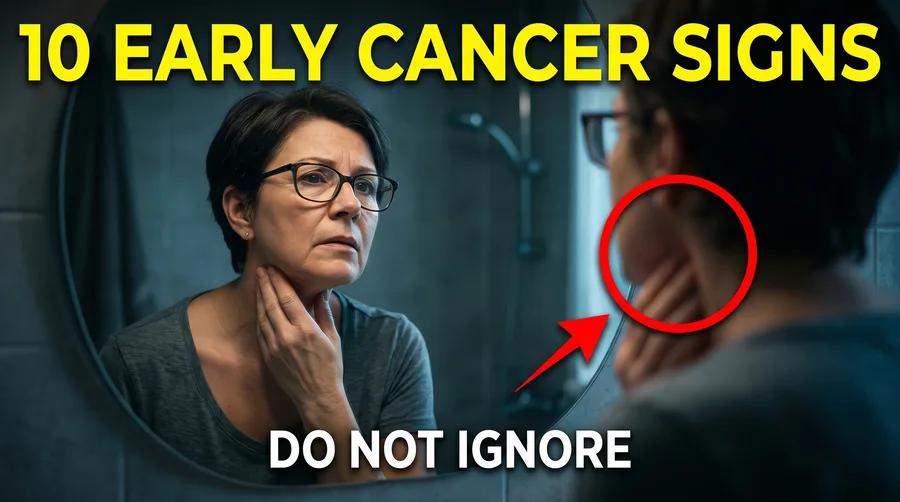
Fresh TL;DR: If cancer is found very early, known as stage one, survival is almost 100%. If the warning signs are ignored, that drops to less than 20%. Knowing the early signs of cancer matters. This is a walk through the ten the creator says most people miss: sudden weight loss, lingering fatigue, nagging pain, skin changes, bleeding, bowel changes, difficulty swallowing, a cough that won’t quit, unexplained lumps, and trouble urinating. Plus the foods and remedies that support prevention.
Have you ever found yourself lying in bed at night, ready to fall asleep, when you start thinking about your health? Maybe it’s a new spot on your skin, or a nagging pain that just won’t go away. There’s that unsettling feeling that something might be off. And in that moment, even if it’s brief, many of us end up wondering: “Could it be… cancer?” Goodbye, sleep.
If you’ve experienced this, know you’re not alone. Every day, thousands of people feel the same, after all, cancer is one of humanity’s most feared diseases. But I’m not here to scare you. Quite the opposite. Cancer prevention is closely tied to your lifestyle choices, and that includes your diet.
The main point is this: if someone discovers they have cancer very early on, known as stage one, their chances of survival are almost one hundred percent. However, if someone ignores the warning signs their body gives, the chances drop to less than twenty percent. It’s easy to understand why recognizing the early signs of various types of cancer matters.
What are the 10 early signs of cancer most people ignore?
The ten early signs of cancer are: unexplained weight loss, constant fatigue, persistent nagging pain, changes in the skin, unusual bleeding, changes in bowel movements, difficulty swallowing, a cough that won’t go away, unexplained swelling or lumps, and trouble urinating. Any one of these that persists deserves a doctor’s attention. The signs are often dismissed, which is exactly why they matter.
1. Sudden, unexplained weight loss
Imagine you suddenly notice you’re losing weight for no apparent reason. At first, you might even be happy about it, but soon worry sets in. If you’ve lost several pounds without changing your routine, that’s a red flag. This could be a sign of something more dangerous, like pancreatic, stomach, esophageal, or lung cancer.
These cancers can alter your metabolism, causing your body to burn more calories than usual. If this weight loss is accompanied by loss of appetite and feeling full quickly even after eating little, don’t ignore it. Your body is using energy to try to fight off what’s wrong.
2. Constant fatigue that doesn’t lift
Another sign that many people don’t take seriously is constant fatigue. Not just tired after a busy day, but an exhaustion that doesn’t improve even after a good night’s sleep. This can be a symptom of leukemia, for instance, as it reduces your blood’s ability to carry oxygen. Cancers like those of the intestine or stomach can also make you feel this way because your body can’t absorb the necessary nutrients properly.
3. Nagging pain that won’t go away
Many people think it’s just a small ache, but if it persists and you don’t know where it’s coming from, it’s best to investigate. Frequent headaches can be a sign of brain tumors. Back pain? It could be pancreatic or colon cancer. Tumors press on nerves or bones and cause pain. Pay attention and see a doctor if the pain persists without any apparent reason.
4. Skin changes
Your skin is like a mirror of your internal health. If new marks, spots, or sores that don’t heal appear, you need to be on the lookout. These changes might be accompanied by itching, bleeding, or pain. Melanomas, for example, are dark patches with irregular borders. Regular self-examinations and seeing a dermatologist are crucial for detecting these changes early.
5. Unusual bleeding
Talking about bleeding may seem scary, but it’s important. Finding blood in your stool or urine can be a serious sign. Blood in your stool might indicate colon or rectal cancer, and blood in your urine could signal bladder or kidney cancer. This isn’t something to ignore. Abnormal bleeding, outside of menstrual periods in women, also requires immediate investigation.
6. Changes in bowel movements
Changes in bowel movements are subtle but important signs. If constipation or diarrhea becomes persistent, or if the color or shape of your stool changes, take note. Pencil-thin stools or those with blood might indicate colon cancer. These changes may come with abdominal pain and a feeling of incomplete evacuation.
7. Difficulty swallowing
It might seem trivial, but if you feel like there’s something stuck in your throat, have pain when swallowing, or regurgitate food, it’s time to see a specialist. This could be a sign of esophageal, stomach, or throat cancer. Dysphagia often comes with weight loss and malnutrition because it becomes hard to ingest solid foods.
8. A cough that won’t quit
If a cough lasts more than three weeks, especially without a cold, it could be lung cancer. If accompanied by persistent hoarseness, it might indicate laryngeal or thyroid cancer.
9. Swelling and lumps
Keep an eye out for swelling and lumps that appear out of nowhere and don’t go away. They can appear anywhere on the body: neck, armpits, abdomen, or groin. They usually start painless but can become painful. It’s crucial to perform regular self-examinations, as they can indicate lymphoma, leukemia, or testicular cancer.
10. Trouble urinating
Urgent and frequent need to urinate, pain during urination, weak flow, or blood in urine can be signs of bladder, kidney, or prostate cancer. Changes in urination patterns accompanied by pelvic pain require urgent medical evaluation.
Foods that support cancer prevention
Besides paying attention to the signs your body gives, you can also adopt habits that help prevent cancer. One of the most effective ways is by taking care of your diet.
First on our list are berries, like strawberries, blueberries, raspberries, and blackberries. These little fruits are real superfoods. They’re rich in antioxidants, especially anthocyanins, which have anti-inflammatory properties and help combat free radicals in the body that can damage cells and lead to cancer. Berries also contain vitamin C, which is essential for the immune system.
Next, cruciferous vegetables like broccoli, cauliflower, cabbage, and Brussels sprouts are powerful allies in cancer prevention. They contain compounds called glucosinolates, which during digestion turn into active substances with anticancer properties. Broccoli, for example, is an excellent source of sulforaphane, which has been shown to be effective in eliminating cancer cells and inhibiting tumor growth.
Third, garlic. It’s not only a fantastic seasoning but also a powerful anti-cancer food. It contains sulfur compounds, like allicin, which help stimulate the body’s natural defenses against cancer. Studies show that regular consumption of garlic is associated with a reduced risk of several types of cancer, including stomach, colon, and esophageal cancers.
Continuing the list, green tea, known for its antioxidant and anti-inflammatory properties, thanks to polyphenols like catechins. Epigallocatechin gallate (EGCG) is one of the most potent catechins found in green tea and has been studied for its anticancer properties. Drinking green tea regularly can help reduce the risk of cancers like breast, prostate, colon, and lung cancer.
Last but not least, tomatoes. They’re rich in lycopene, a potent antioxidant linked to a reduced risk of several types of cancer, especially prostate cancer. Cooking tomatoes, such as in tomato sauce or soups, increases the bioavailability of lycopene, making it even more accessible to the body. Tomatoes also offer vitamin C and other beneficial antioxidants.
Natural remedies worth knowing
In addition to incorporating these foods into your diet, there are some natural remedies that show potential benefits in fighting and preventing cancer.
Turmeric, especially its active component curcumin, has been extensively studied for its potential anti-cancer properties. It has anti-inflammatory and antioxidant properties that may help prevent the growth of cancer cells. Curcumin has shown effectiveness in reducing the spread of cancer cells and even killing some of them.
Ginger is well known for its anti-inflammatory and antioxidant properties. It can help reduce inflammation, which is linked to cancer development. Additionally, ginger can slow tumor growth and aid in apoptosis, which is the programmed death of cancer cells.
Essiac tea, originally used by Indigenous peoples of Canada, is a blend of several herbs that has gained recognition for its detoxifying and potential anticancer properties. The herbs included are burdock root, rhubarb, slippery elm, and red clover. This tea can support immune health and help detoxify the body.
How to protect yourself, day to day
- Add berries to breakfast for antioxidants, anthocyanins, and vitamin C.
- Include cruciferous vegetables like broccoli, cauliflower, cabbage, and Brussels sprouts a few times a week.
- Use garlic in your cooking for its allicin and sulfur compounds.
- Drink green tea regularly for its catechins and EGCG.
- Cook tomatoes into sauces and soups to improve lycopene absorption.
- Consider turmeric and ginger as part of your kitchen regularly.
- Exercise, manage stress, and pay attention to your body.
- See a doctor promptly if any of the ten warning signs persist.
A gentle closing thought
Maintaining a diet rich in cancer-fighting foods and incorporating natural remedies can be powerful strategies in preventing the disease. Leading a healthy lifestyle with a balanced diet, regular exercise, and stress management significantly contributes to cancer prevention. Never underestimate the power of small habits. They can make a massive difference to your health and well-being.
If this was useful, the newsletter goes out every Friday with more of the same. You can join the drop if you want it to land in your inbox.
Answers
Frequently asked questions
How much does early detection change cancer survival?
If someone discovers they have cancer very early on, known as stage one, their chances of survival are almost one hundred percent. However, if someone ignores the warning signs their body gives, the chances drop to less than twenty percent.
Why is sudden weight loss a warning sign?
If you've lost several pounds without changing your routine, that's a red flag. This could be a sign of pancreatic, stomach, esophageal, or lung cancer. These cancers can alter your metabolism, causing your body to burn more calories than usual.
When does fatigue become a concern?
Not just tired after a busy day, but an exhaustion that doesn't improve even after a good night's sleep. It can be a symptom of leukemia, as it reduces your blood's ability to carry oxygen. Intestinal or stomach cancers can also cause this because your body can't absorb the nutrients it needs.
What kind of skin changes should I worry about?
If new marks, spots, or sores that don't heal appear, you need to be on the lookout. These changes might be accompanied by itching, bleeding, or pain. Melanomas, for example, are dark patches with irregular borders. Regular self-examinations and seeing a dermatologist matter.
How long should a cough last before it's worth seeing a doctor?
If a cough lasts more than three weeks, especially without a cold, it could be lung cancer. If accompanied by persistent hoarseness, it might indicate laryngeal or thyroid cancer.
Thanks for reading. If this hit the spot, pass it along.