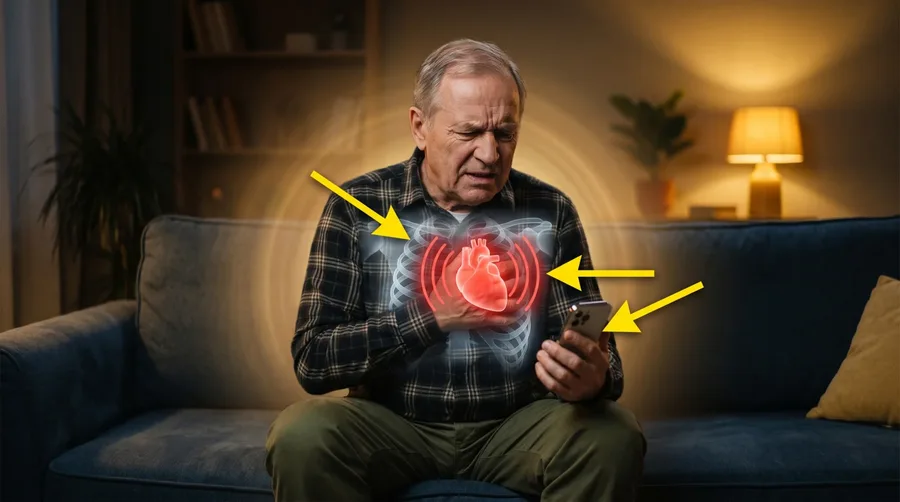
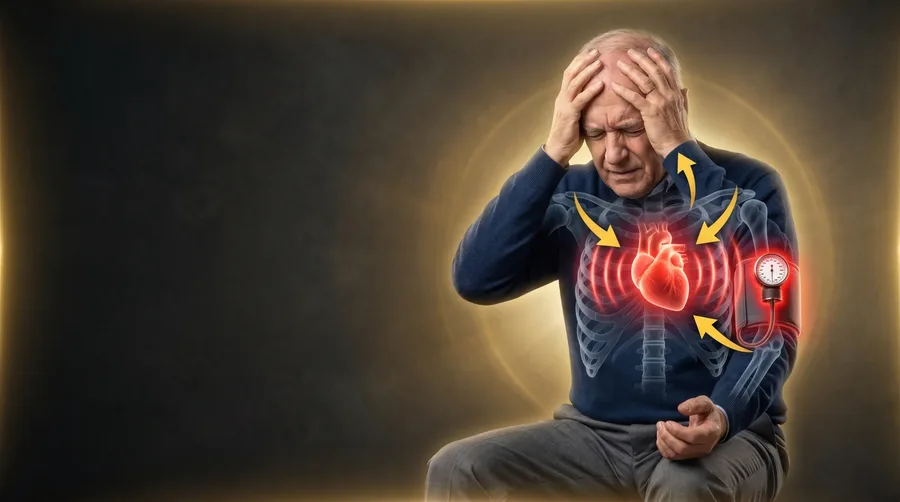
5 warning signs your heart is in serious danger
Your body drops quiet hints when your heart is struggling. Five easy-to-miss signs (from blue lips to a crease in the earlobe) worth paying attention to.
 Fresh
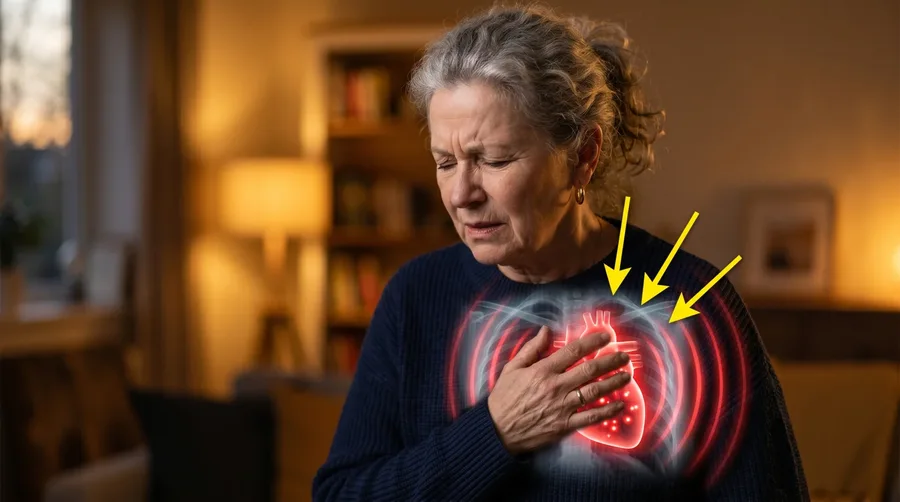
Fresh TL;DR: Your heart is the engine that keeps your body running, and your body drops hints when it isn’t working as well as it should. These are five warning signs your heart is in serious danger: bluish skin, hair loss on the legs, yellowish bumps on the eyelids, a diagonal earlobe crease, and a white or gray ring around the cornea. Easy to miss, but worth catching early.
Today we’re going to talk about something really important: your heart health. Your heart is the engine that keeps your body running. But did you know that your body can give you clues when your heart isn’t working as well as it should? Recognizing these signs early could help prevent serious problems later.
Some of these signs might seem small or easy to miss, but they can be really important. If you catch these signs early, you can talk to a doctor and take steps to protect your heart.
1. Cyanosis of the skin
Cyanosis is when your skin turns a bluish or purplish color, and it can be a sign that your blood isn’t carrying enough oxygen. Normally, your skin has a pinkish tone because your blood is full of oxygen, which is essential for your body to work. But when your heart or lungs aren’t doing their job properly, your blood doesn’t get enough oxygen, and your skin can start to turn blue.
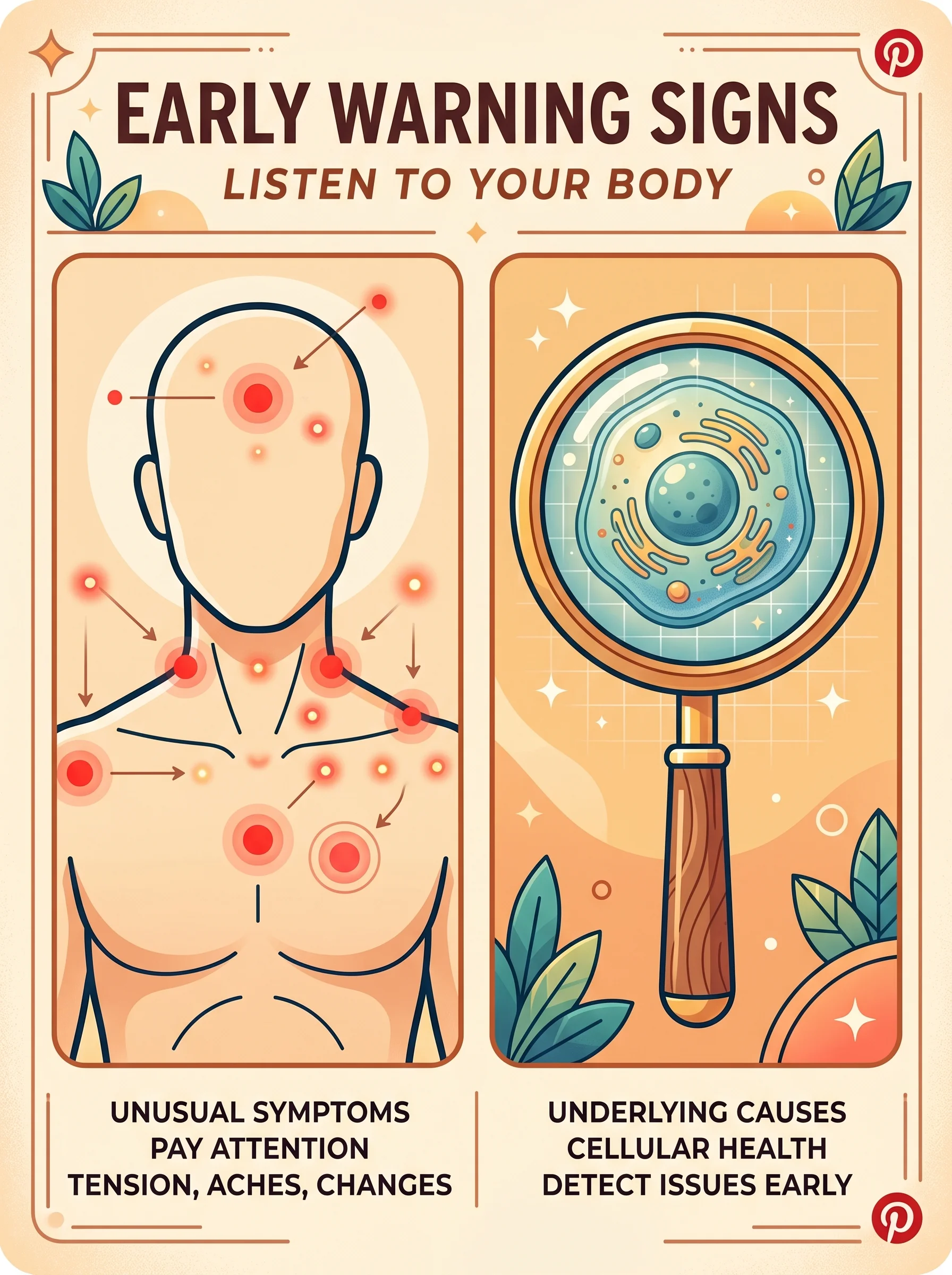
You’ll usually notice this bluish color around the lips, fingertips, or even in other parts of the body. It might look like your fingers are cold all the time or like your lips are always chapped and blue. This is your body’s way of waving a red flag, saying, “Help! Something’s wrong here!”
There are different types of cyanosis. Central cyanosis happens when there’s not enough oxygen in your blood. It usually affects your lips and tongue and can signal a serious issue with your heart or lungs. Peripheral cyanosis, on the other hand, happens when your blood isn’t circulating well to your arms or legs, your fingers or toes can turn blue. Either way, cyanosis is a sign that your blood isn’t getting the oxygen it needs, and you should definitely see a doctor if you notice this happening.
2. Why is your hair falling out on your legs?
Hair loss on the legs or feet can be more than regular hair loss. It may be a sign of Peripheral Artery Disease (PAD), where blood isn’t flowing well to the legs. Hair follicles need a constant supply of oxygen and nutrients from your blood, and when that flow is restricted, the follicles don’t get what they need and hair falls out.
Imagine your arteries (the tubes that carry your blood) as highways. If there’s a traffic jam because of something like plaque buildup, the blood can’t flow smoothly. This leads to less oxygen reaching your legs, and one of the first signs might be hair loss in that area. It’s like your body’s way of saying, “Hey, something’s blocking the flow down here!”
Hair loss by itself doesn’t always mean something serious, but if you notice it along with other symptoms like pain in your legs when walking or sores that don’t heal, it’s a good idea to talk to a doctor. PAD can lead to more serious problems if it’s not treated, like infections or even amputations in extreme cases.
3. What are xanthelasma on the eyelids?
Xanthelasma are small, soft, yellowish bumps around the eyes, especially on the upper eyelids. They aren’t harmful on their own, but they could be a sign that your cholesterol is too high. When there’s too much cholesterol in your blood, it can build up in your arteries and sometimes even in your skin. Xanthelasma is one way your body stores extra cholesterol.
These patches might not cause any pain or discomfort, but they’re like a warning sign that your cholesterol levels could be too high. And having high cholesterol is a big risk factor for heart disease because it can lead to blockages in your arteries. If you notice these yellow spots, it’s definitely worth checking in with your doctor to get your cholesterol levels tested. It’s better to know now so you can make changes to protect your heart.
4. Frank’s sign (the diagonal earlobe crease)
Have you ever noticed a diagonal line running across someone’s earlobe? This is called Frank’s sign, and it might be a clue that your heart isn’t as healthy as it should be. Studies have shown a link between this crease and coronary artery disease, which is when the arteries that supply blood to your heart get blocked or narrowed.
The diagonal line usually starts at the bottom of the earlobe and runs upward. It’s a small thing, but it can be an important signal. Not everyone with this crease has heart problems, but enough people do that it’s worth paying attention to.
If you’re younger and you notice this crease, it’s especially important to talk to a doctor because it could mean there’s something going on with your heart. For older people, this crease can sometimes just be a sign of aging, but it’s always better to be safe and have it checked out.
5. Arcus senilis (a white or gray ring around the eye)
Arcus senilis is a white or gray ring that forms around the edge of your cornea (the clear part of your eye). It’s really common in older adults, and for them, it’s usually not a big deal. But if you’re younger and you notice this ring, it could be a sign that your cholesterol is too high.
When your cholesterol levels are high, fatty deposits can build up in your body, and sometimes they even show up in your eyes. This ring around your cornea is one way your body might be showing you that your lipid (fat) levels are too high. High cholesterol is something you can’t always feel, but it’s a major risk for heart disease. The good news is that if your cholesterol is high, there are treatments and lifestyle changes that can help lower it and protect your heart.
The takeaway
These are some signs that might show up on your body if your heart isn’t as healthy as it should be. Some of these signs are easy to miss or might seem like no big deal, but they can be your body’s way of telling you that something’s wrong. If you notice any of these signs, it’s really important to check in with a doctor and make sure your heart is okay.
Don’t wait to take action if you’re worried about your heart health or have noticed any of these signs in yourself or someone you know. Your heart is too important to ignore. If posts like this are your speed, the newsletter goes out every Friday with more of them.
Frequently asked questions
What does it mean if your lips or fingertips turn blue?
That bluish color is called cyanosis. It means your blood isn’t carrying enough oxygen, often because your heart or lungs aren’t doing their job properly. Central cyanosis affects the lips and tongue and can signal a serious issue, and either form is a reason to see a doctor.
Is hair loss on the legs really a heart warning?
It can be. Hair loss on the legs or feet may point to Peripheral Artery Disease, where blood isn’t flowing well to the legs. Hair follicles need oxygen and nutrients from the blood to keep growing hair, so restricted flow can show up as hair loss, especially alongside leg pain when walking or sores that don’t heal.
What are those yellow bumps on eyelids?
Those are xanthelasma. They aren’t harmful on their own, but they can be a sign that your cholesterol is too high. High cholesterol is a major risk factor for heart disease, so it’s worth getting your levels tested.
What is Frank’s sign?
Frank’s sign is a diagonal line running across the earlobe, usually starting at the bottom and running upward. Studies have shown a link between this crease and coronary artery disease. If you’re younger and notice it, it’s worth talking to a doctor.
What about a gray ring around the eye?
That’s arcus senilis. In older adults it’s usually not a big deal, but in younger people it can be a sign that cholesterol is too high, since fatty deposits can show up in the eyes.
Thanks for reading. If this hit the spot, pass it along.