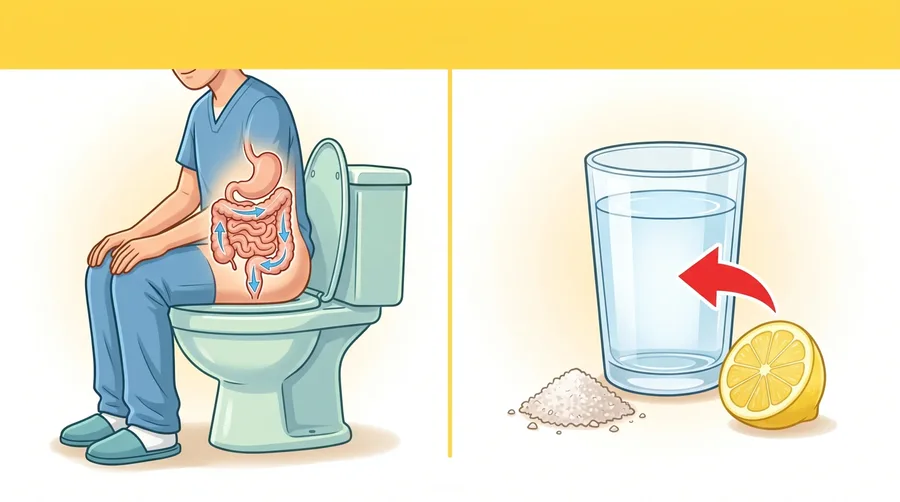
Early prostate cancer symptoms men miss: the invisible enemy and what to watch for
Early prostate cancer symptoms men often miss: urinary changes, pelvic pain, blood in urine, unexplained fatigue. Risk factors and two supportive home juices.
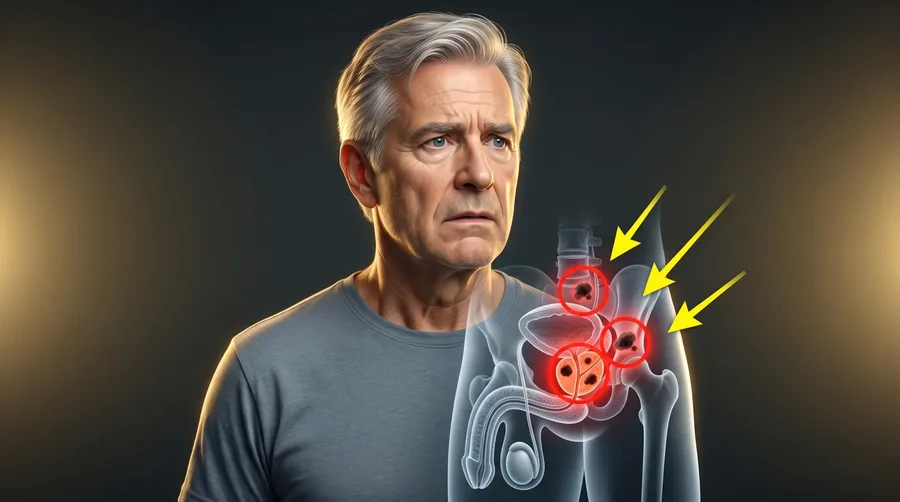 Fresh
Fresh TL;DR: Prostate cancer often develops quietly, and by the time symptoms appear, it may be too late. The early prostate cancer symptoms men most often overlook include trouble starting urination, frequent night-time bathroom trips, incomplete bladder feeling, blood in urine or semen, pelvic or lower-back pain, erectile dysfunction, and unexplained weight loss. Age, family history, diet, weight, smoking, alcohol, and chemical exposure all raise the risk. Two home juices, Prostate Super Juice and Anti-Inflammatory Carrot-Apple Juice, offer gentle support.
Did you know that one of the biggest silent threats to men’s health is prostate cancer? The issue is that it often develops quietly, and by the time symptoms appear, it may be too late. But what if you could spot the early signs before it becomes serious?
Have you ever felt discomfort while urinating, found yourself rushing to the bathroom often, or experienced unexplained pelvic pain? These could be important signals that many men overlook. Recognizing these signs early could save thousands of lives each year. Your health is worth every moment of this piece.
What is prostate cancer and why is it called the invisible enemy?
Prostate cancer is the most common cancer among men, particularly those over 50. The prostate is a small gland located beneath the bladder, playing a critical role in producing part of the semen. The trouble begins when prostate cells start growing uncontrollably, forming tumors. This growth is often slow and silent, which is why it’s known as the “invisible enemy.”
The real danger lies in the lack of noticeable symptoms in the early stages. Many men discover something is wrong only when the cancer has advanced, making treatment more difficult and lowering the chances of a cure. However, this doesn’t have to be your fate. Identifying the early symptoms of prostate cancer can truly make a difference.
What are the early prostate cancer symptoms men often miss?
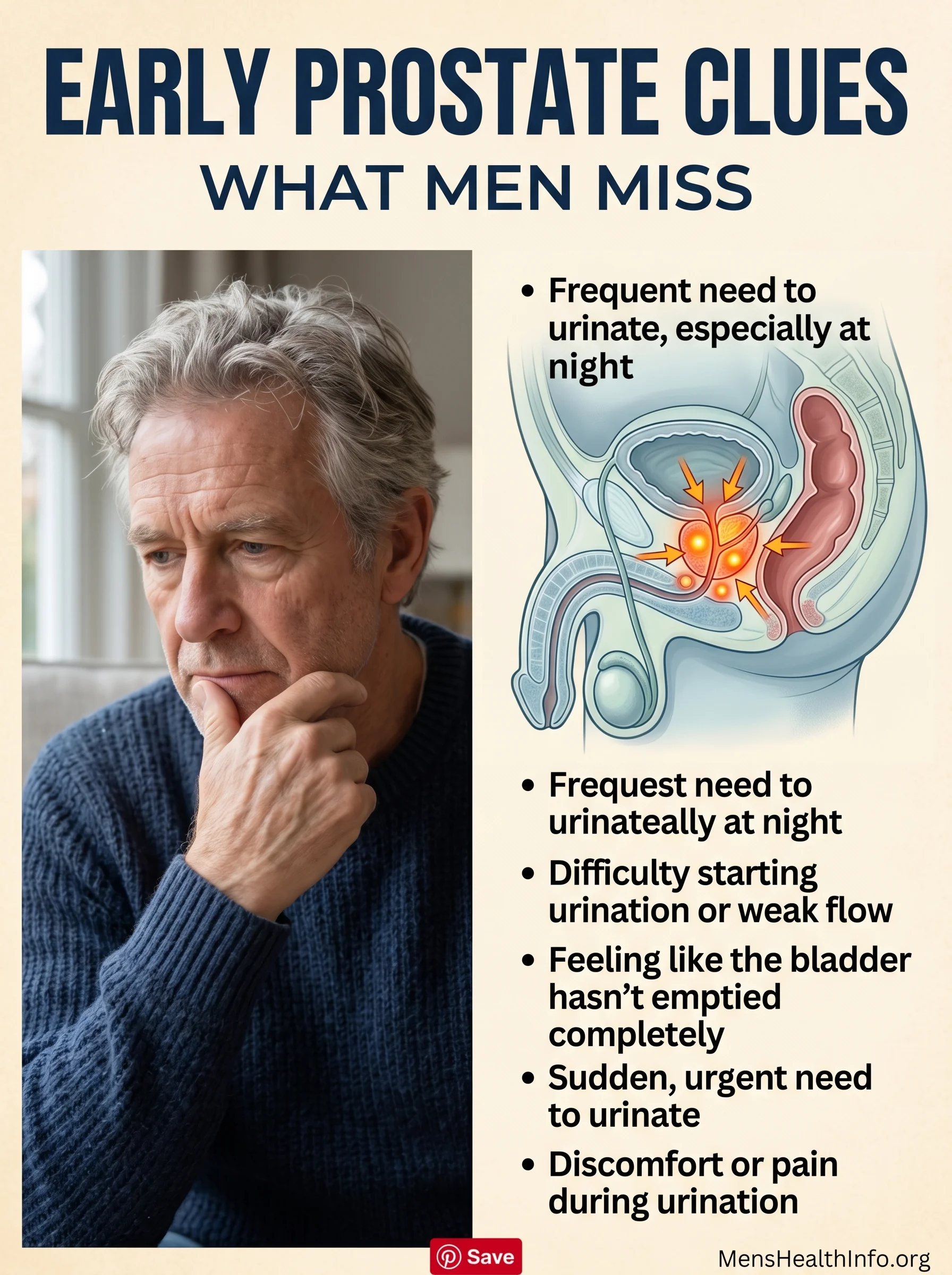
Many men confuse these symptoms with common issues like urinary infections or the natural effects of aging. For instance, if you find it hard to start urinating, even when your bladder feels full, or you struggle to hold a steady stream, these could be warning signs. This difficulty may arise because an enlarged prostate presses on the urethra.
If you experience this, it’s important to see a urologist who can conduct a rectal exam and a PSA blood test. Sometimes, additional imaging like an ultrasound or MRI might be needed to assess the condition of the prostate.
Frequent bathroom trips and incomplete bladder feeling
Frequent trips to the bathroom, especially at night, can also be a significant symptom. The pressure from an enlarged prostate can cause your bladder to feel full even when it’s not. If you notice this change in urination patterns, don’t ignore it. Various tests, including urine tests and ultrasounds, can help determine the underlying cause.
Another warning sign is the feeling of an incomplete bladder. If you finish urinating but still feel discomfort, it could indicate a blockage. This sensation can lead to urinary infections, and seeking medical attention can help. Treatment options may include medications to relax the prostate or surgery in more severe cases.
Blood in urine or semen, and pelvic pain
Blood in your urine or semen is serious. If you notice any unusual coloration, it’s crucial to consult a doctor immediately, as it could indicate internal bleeding. Medical tests like cystoscopy and prostate biopsy will help identify the cause, leading to the right treatment.
Persistent pain in the pelvic region, lower back, or hips could suggest that prostate cancer has spread. This type of pain is often deep and may not improve with standard pain relief. It’s essential to seek medical evaluation if you experience ongoing discomfort, as imaging tests like CT scans can determine whether cancer has metastasized.
Erectile dysfunction, weight loss, and fatigue
Men may also experience erectile dysfunction, which is trouble getting or maintaining an erection. This can be linked to prostate cancer, as the nerves responsible for erections are located near the prostate and may be affected by tumors. If this is a concern, speak to a specialist for evaluation and potential treatment options.

Weight loss and fatigue without any clear reason can be concerning signs, indicating that cancer might be spreading. If you experience sudden weight loss or extreme tiredness, it’s essential to undergo blood tests and imaging to investigate the situation further.
Even if some of these symptoms could relate to non-serious issues, it’s important not to wait for them to escalate. The sooner the disease is diagnosed, the better the chances of successful treatment. Regular consultations with your urologist and annual preventive exams are key to maintaining your health, as prevention truly is the best medicine.
What raises the risk of prostate cancer?
Age is a primary factor. Men over 50 are more susceptible, and the risk increases significantly after age 65. While age is unavoidable, regular check-ups can help manage potential risks.
A family history of prostate cancer also raises your likelihood of developing the disease. If a close relative, like a father or brother, has had prostate cancer, your chances double, and they increase even more with multiple cases in your family. In such instances, it’s wise to begin regular exams earlier, starting at age 40, and consider discussing genetic testing with your doctor.
Certain genetic factors can additionally influence your risk. Specific genes, like BRCA1 and BRCA2, increase the likelihood of prostate cancer, particularly in families with a history of breast and ovarian cancers. If this applies to you, consult your doctor about genetic testing, which can facilitate better monitoring.
Diet, weight, and lifestyle factors
Your diet plays a critical role in prostate health as well. A diet high in saturated fats and processed foods can contribute to inflammation in the body, which may encourage cancerous growth. Opting for a healthier diet rich in fruits, vegetables, whole grains, and lean proteins can provide significant benefits. Foods high in lycopene, such as tomatoes and watermelon, are especially beneficial for prostate health.
Leading a sedentary lifestyle can increase the risk of various health issues, including prostate cancer. Making an effort to incorporate regular physical activity, about 30 minutes a day, can help improve your overall health and manage weight. Being overweight is another risk factor tied to more aggressive forms of prostate cancer.
It’s also important to address habits like excessive alcohol consumption and smoking, both of which are linked to an increased risk of various cancers, including prostate cancer. Limiting alcohol intake and quitting smoking can vastly improve your overall health and reduce cancer risk. Lastly, exposure to toxic chemicals, such as pesticides and heavy metals, can heighten the risk. Proper protective measures and routine health check-ups are crucial for those in high-exposure jobs.
Two home remedies for prostate support
Here are two home remedies that have been used for generations to support immune health and prostate well-being. The ingredients are potent and have anti-inflammatory properties.
Prostate Super Juice: half a cup of fresh kale leaves, half a cup of fresh spinach leaves, half a cup of sliced carrots, a quarter cup of unsweetened pomegranate juice, a quarter cup of canned diced tomatoes (with their juice), an eighth teaspoon of salt, and half a cup of water. Blend all these ingredients in a high-speed blender until smooth, which should take about 1 to 2 minutes. Serve it immediately.
Anti-Inflammatory Carrot-Apple Juice: one cup of diced sweet apple (unpeeled, such as Pink Lady), half a cup of sliced carrots, a quarter cup of fresh orange juice, a piece of peeled fresh ginger root (about a quarter teaspoon), a quarter teaspoon of salt, an eighth teaspoon of ground turmeric, and a quarter cup of water. Blend all the ingredients until smooth for 1 to 2 minutes, then serve it cold.
Incorporating these juices into your routine can be a delicious and effective way to support your prostate health and overall well-being.
A gentle closing thought
You now know how to spot the first signs of prostate cancer, understand the main risk factors, and have two home-remedy recipes to support immune health. This knowledge can save lives, so don’t sit on it. Take care of your health. If pieces like this are useful, the newsletter lands every Friday with more.
Frequently asked questions
Why is prostate cancer called the invisible enemy?
Prostate cancer’s growth is often slow and silent, which is why it’s known as the invisible enemy. The real danger lies in the lack of noticeable symptoms in the early stages. Many men discover something is wrong only when the cancer has advanced.
What’s the first urinary symptom of prostate cancer to watch for?
If you find it hard to start urinating, even when your bladder feels full, or you struggle to hold a steady stream, these could be warning signs. This difficulty may arise because an enlarged prostate presses on the urethra.
At what age should men start getting screened?
Men over 50 are more susceptible, and the risk increases significantly after age 65. If a close relative has had prostate cancer, start regular exams earlier, at age 40, and consider discussing genetic testing with your doctor.
Which foods help prostate health?
A diet rich in fruits, vegetables, whole grains, and lean proteins provides significant benefits. Foods high in lycopene, such as tomatoes and watermelon, are especially beneficial for prostate health.
Can erectile dysfunction be a sign of prostate cancer?
Men may experience erectile dysfunction, which is trouble getting or maintaining an erection. This can be linked to prostate cancer, as the nerves responsible for erections are located near the prostate and may be affected by tumors.
Thanks for reading. If this hit the spot, pass it along.