Eat more vegetables with juices and soups (when salads feel like a chore)
Juices and soups are the easy way to eat more vegetables without forcing a salad. Here is how to sneak greens in, keep the nutrients, and lose the bitterness.
 Fresh
Fresh TL;DR: The World Health Organization recommends at least 14 ounces (400 g) of fruits and vegetables, or five daily portions, to help prevent chronic problems like cancer, diabetes, and cardiovascular disease. If salads bore you, juices and soups are the easiest way to eat more vegetables. This is how to make them work: which greens to use, how to avoid destroying the nutrients, and a small trick for learning to like flavors you’ve resisted.
Even though we have access to information about healthy diets and how they affect our health, many people still don’t like eating vegetables. The World Health Organization recommends consuming at least 14 ounces (400 gr) of fruits and vegetables, or five daily portions, to prevent chronic problems like cancer, diabetes, and cardiovascular diseases. This habit also lowers the deficiency of essential nutrients.
But there are still those who resist eating more leafy greens and vegetables. Some people complain about the bitter taste of some leafy greens, like arugula or chicory. Others claim to not have enough time to prepare these foods or don’t feel attracted to these foods stir-fried or raw in salads.
Do you want to add more vegetables to your daily dishes? Let’s see how to end with this resistance to eating vegetables with natural juices and soups.
Why juices are an easier way to eat more vegetables
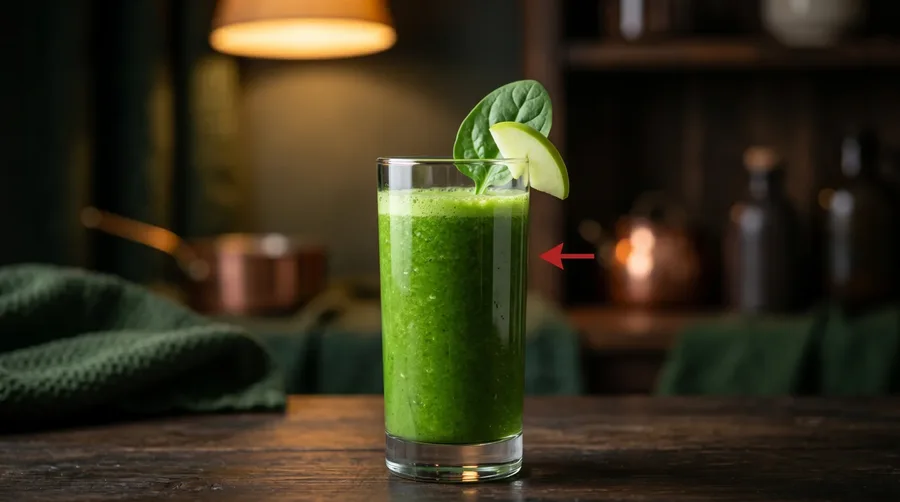
Green juice mixes fruits and vegetables, so it makes nutrient intake easier and the acidic fruits mask bitter flavors. Because juices pair well with lemon, pineapple, or passion fruit, the bitterness of greens like kale and arugula softens. The water in the juice also preserves most vitamins and minerals, so you still get the benefits in a drinkable form.
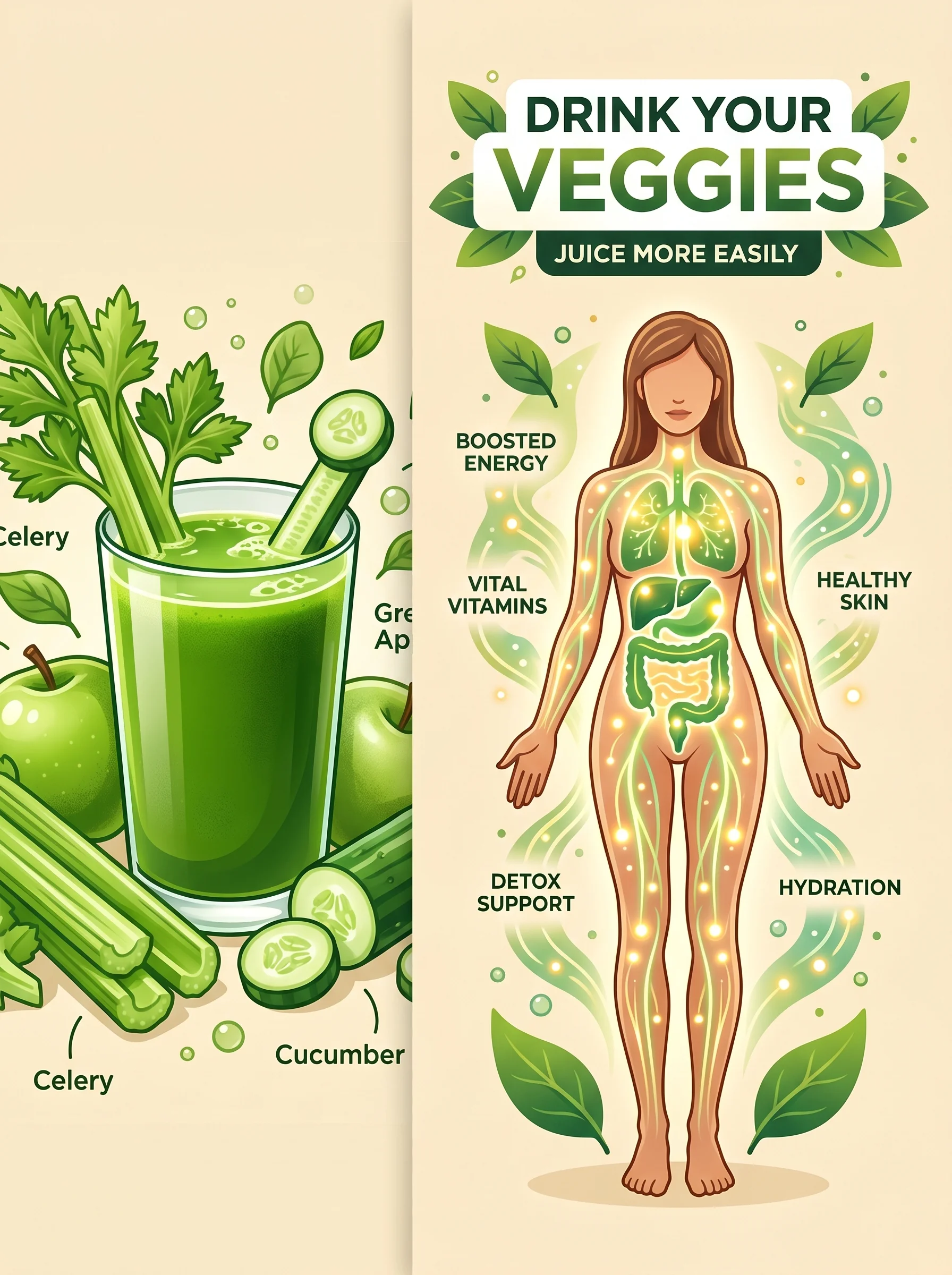
Since green juice contains fruits and vegetables, it facilitates your ingestion of essential nutrients. Juices are different from salads or stir-fries and are usually associated with more acidic foods, lemon, pineapple, or passion fruit, which can mask the bitter flavors.
Besides the commonly used kale, you can vary and use watercress, spinach, cabbage, broccoli, beet, parsley, cucumber, or celery. It is better to not strain or sweeten your juices, or you will throw away all the fiber and increase your sugar intake.
What about soup?
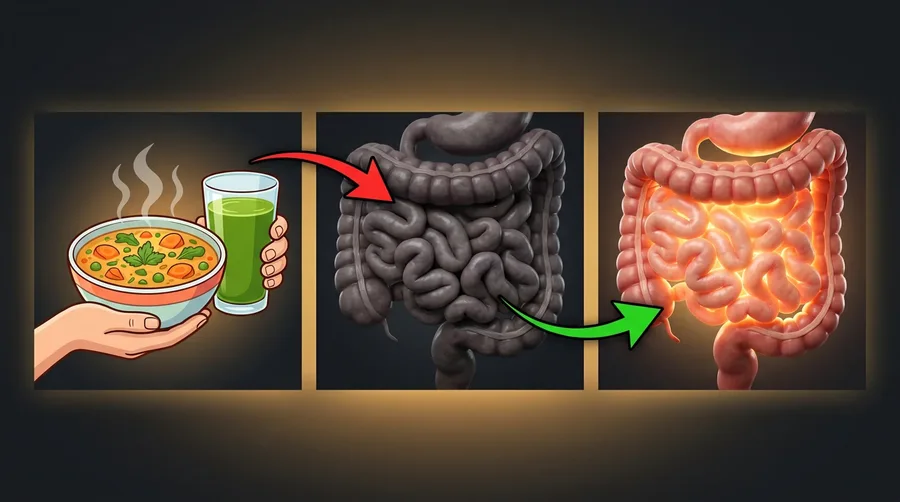
If you don’t like juice, why not make soup? Soups can be a gateway to vegetables if you aren’t used to them and are also a way of eating many vegetable portions in one sitting. Soups are versatile and allow you to mix a lot of greens and vegetables.
Prioritize a vegetable of each color, green, yellow, white, and avoid adding ultra-processed foods, like bacon or sausages. Always choose fresh meat and natural seasonings. Choose a source of protein for your soup (red meat or chicken), two types of vegetables, natural seasonings, and pasta or potatoes. If you want a vegetarian version, use carrots, zucchini, cauliflower, pumpkin, and broccoli.
How to cook without losing the nutrients
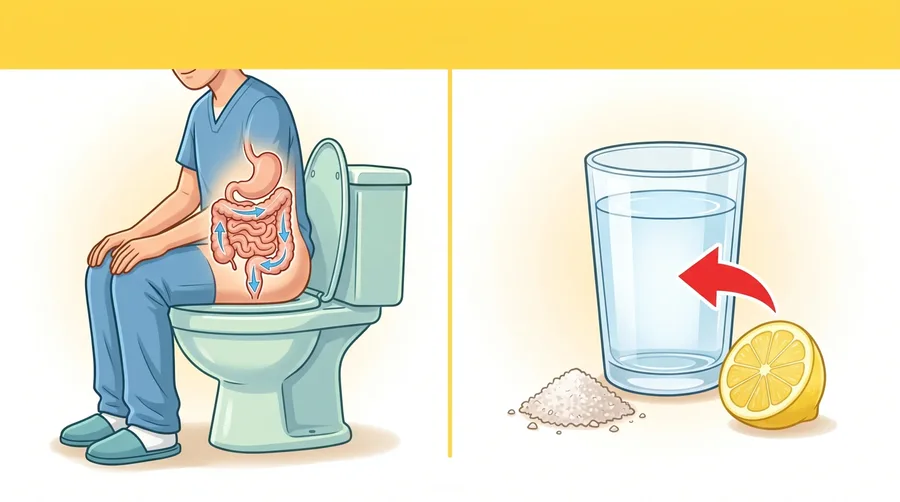
Since the water preserves most of the vitamins and minerals, making juices and soups is the best way of getting all the benefits out of vegetables. If you opt for soups, remember to cook it at low heat and for the least time possible. The higher the temperature is, and the longer you cook the vegetables, the more nutrients will be lost.

A trick for learning new flavors
Another trick to learn to enjoy new flavors is to combine a food you don’t eat regularly, or even something you dislike, with another one you like. Tasty foods change the flavor, increasing your acceptance of the other food. Doing this will help you eat vegetables and get healthier, and if that isn’t enough, you will also lose weight since the fiber will nourish and make you more satiated, which helps with weight loss.
How to actually make this work
- Blend juices with kale, watercress, spinach, cabbage, broccoli, beet, parsley, cucumber, or celery.
- Don’t strain or sweeten juices, keep the fiber and skip added sugar.
- Pair vegetables with acidic fruits like lemon, pineapple, or passion fruit to mask bitterness.
- For soups, pick one vegetable of each color (green, yellow, white) and add protein.
- Skip ultra-processed meats like bacon and sausage, use fresh meat and natural seasonings.
- Cook soups on low heat for the least time possible to preserve nutrients.
- Pair a food you dislike with one you love to help your palate warm up to it.
A gentle closing thought
Eating more vegetables doesn’t have to mean suffering through salads. Juices and soups do the heavy lifting, and the small trick of pairing a food you dislike with one you love can quietly expand what you enjoy. The fiber will also help you feel full, which supports weight loss on the side.
If this was useful, the newsletter goes out every Friday with more of the same. You can join the drop if you want it to land in your inbox.
Frequently asked questions
How many vegetables should I eat daily?
The World Health Organization recommends consuming at least 14 ounces (400 gr) of fruits and vegetables, or five daily portions, to prevent chronic problems like cancer, diabetes, and cardiovascular diseases.
Should I strain my green juice?
No. It is better to not strain or sweeten your juices, or you will throw away all the fiber and increase your sugar intake.
Why do my soups lose flavor and nutrients?
If you opt for soups, remember to cook them at low heat and for the least time possible. The higher the temperature is, and the longer you cook the vegetables, the more nutrients will be lost.
What vegetables work well in soup for someone just starting?
Prioritize a vegetable of each color, green, yellow, white, and avoid adding ultra-processed foods like bacon or sausages. For a vegetarian version, use carrots, zucchini, cauliflower, pumpkin, and broccoli.
How do I learn to like vegetables I currently dislike?
Combine a food you don’t eat regularly, or even something you dislike, with another one you like. Tasty foods change the flavor, increasing your acceptance of the other food.
Thanks for reading. If this hit the spot, pass it along.