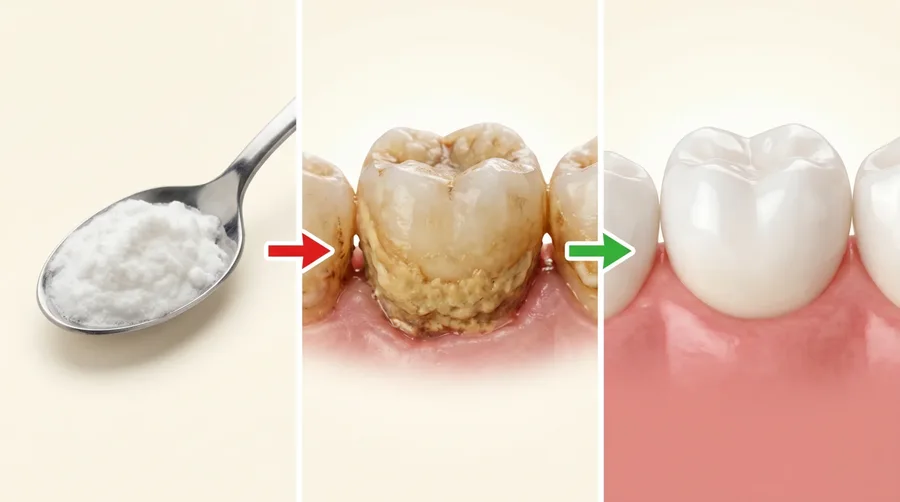
Baking soda to remove plaque, tartar, and prevent cavities
A simple baking soda paste can break up plaque, neutralize acids, and gently whiten teeth. Here is how it works and how to use it safely.
 Fresh
Fresh TL;DR: Plaque is a sticky film of bacteria that hardens into tartar and quietly sets up cavities, gingivitis, and bad breath. A cheap baking soda paste, brushed on for two minutes and left to sit for 10-15 minutes, can break up plaque, neutralize mouth acids, and gently whiten teeth. Pair it with a whole-food diet and daily flossing and your smile does the rest.
Have you ever stopped to think about how much your oral health impacts your overall wellbeing? It’s a question that many of us overlook, but the truth is, the state of our teeth and gums can have far-reaching effects on our lives.
In today’s world, where sugary sodas, starchy snacks, and processed foods reign supreme, it’s more important than ever to take a closer look at what’s happening inside our mouths. Run your tongue along your teeth and feel a gritty, sticky substance. That, my friends, is plaque, a film of bacteria that clings to your teeth, feeding on the sugars and starches you consume.
If left unchecked, this plaque hardens into tartar, setting the stage for a host of oral health issues that can impact not just your smile, but your overall health and confidence.
What is plaque, and why is it such a problem?
Plaque is a sticky film of bacteria that forms on your teeth. As these bacteria feast on the sugars and starches in your diet, they produce acids that slowly erode your tooth enamel, creating tiny holes we know as cavities. Over time, if plaque is allowed to accumulate, it hardens into tartar, a crusty, yellow substance that can only be removed by a dental professional.
And here’s where things get really concerning. If plaque and tartar are left to their own devices, they can lead to serious oral health problems like gingivitis, periodontitis, and even tooth loss.
Gingivitis is an early stage of gum disease, characterized by red, swollen, and bleeding gums. If not treated, it can progress to periodontitis, a severe gum infection that damages the soft tissue and bone supporting your teeth. In extreme cases, this can lead to tooth loss and even impact your overall health.
But it’s not just about cavities and gum disease. Poor oral hygiene can also lead to bad breath, known as halitosis. Imagine trying to have a conversation with someone, only to be met with the unpleasant odor of decay and bacteria. It’s not a pretty picture, and it can seriously impact your social life and self-esteem.
How does baking soda remove plaque and tartar?
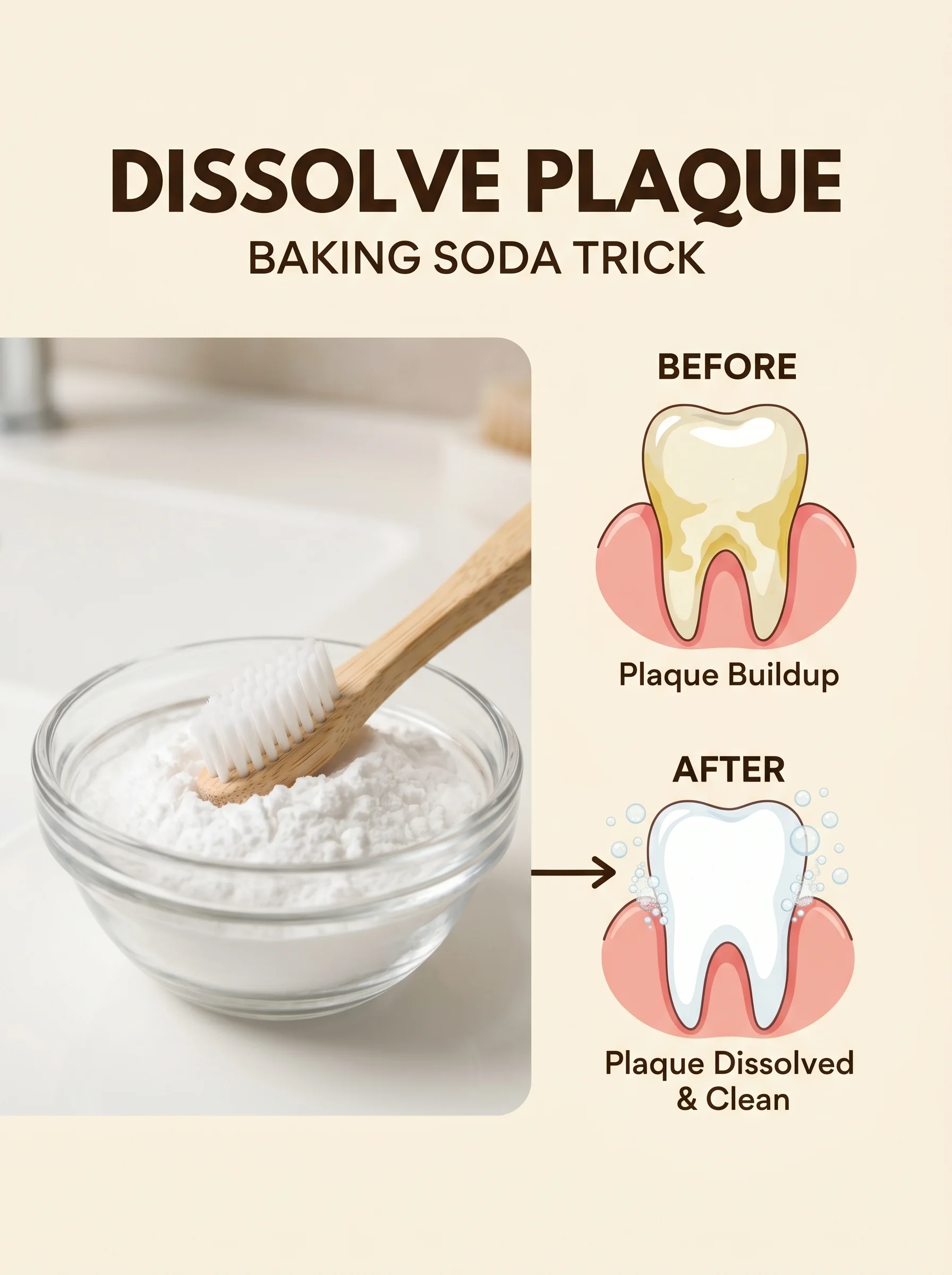
Baking soda, or sodium bicarbonate, is a natural, gentle abrasive that can effectively remove plaque and surface stains from your teeth. When you mix baking soda with water to create a paste and brush your teeth with it, the baking soda releases free radicals that help break up plaque and neutralize the acids that lead to tooth decay.
Not only does it remove plaque, but it also helps regulate your mouth’s pH levels, creating an environment that’s less hospitable to harmful bacteria.
And the benefits don’t stop there. Baking soda has natural whitening properties, so regular use can help remove surface stains and brighten your smile. It also has antibacterial properties, which means it can help reduce the accumulation of bacteria in your mouth that leads to decay and gum disease. If you suffer from mouth sores or ulcers, baking soda can even help speed up the healing process.
How do you actually use baking soda for your teeth?
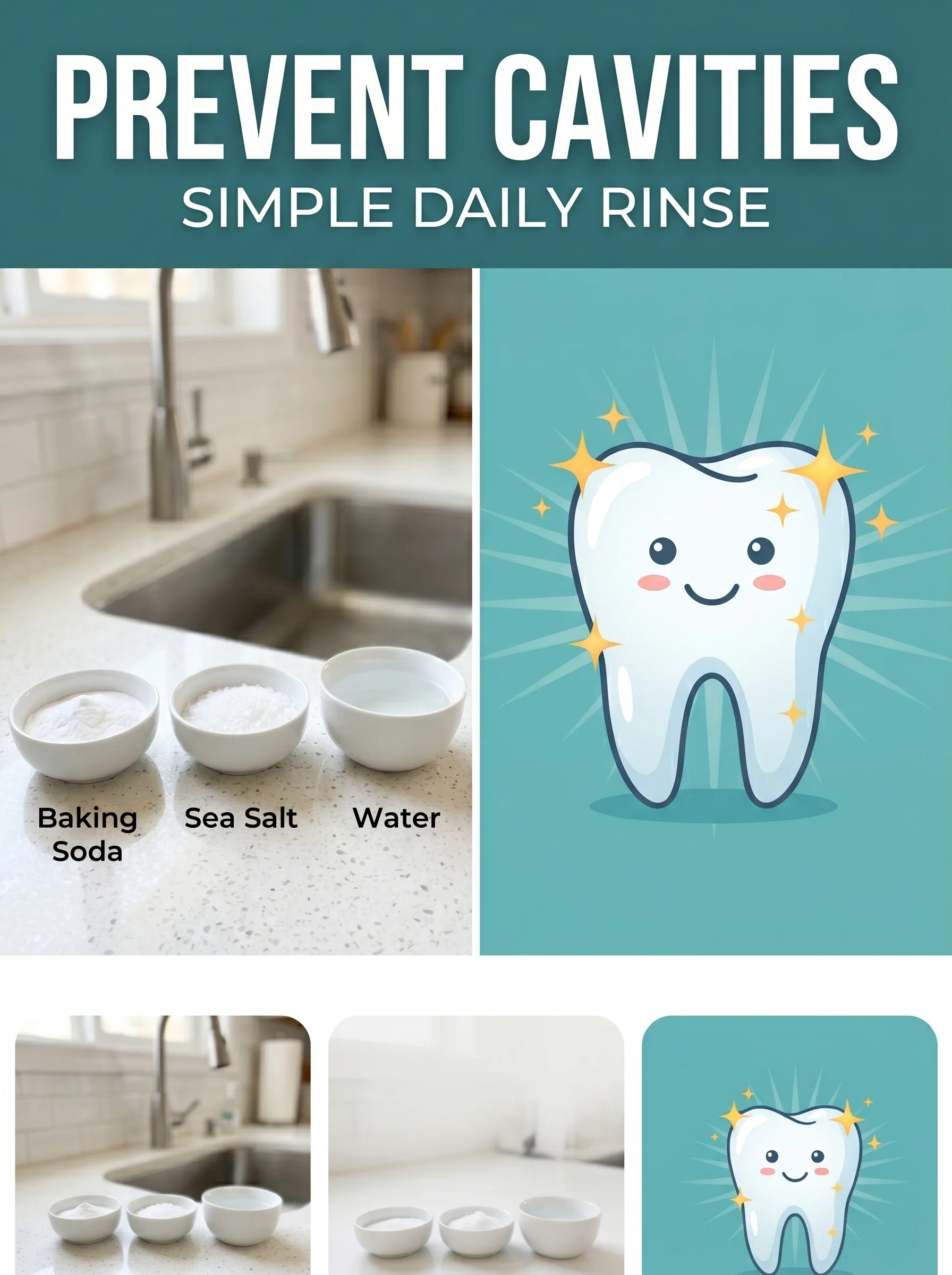
Mix a small amount of baking soda with water to create a paste, then brush your teeth with it for two minutes, just as you would with regular toothpaste. For best results, leave the baking soda paste on your teeth for 10-15 minutes before rinsing. This gives the baking soda time to work its magic, breaking up plaque and neutralizing acids.
You might be thinking, “But I already use toothpaste, isn’t that enough?” While it’s true that many toothpastes today contain baking soda, using pure baking soda allows you to reap the maximum benefits. Plus, it’s a cost-effective and eco-friendly alternative to traditional toothpastes, which often contain harsh chemicals and come in plastic packaging.
Why diet matters as much as brushing
While baking soda is a powerful tool in the fight against plaque and tartar, it’s not a magic solution. The real key to optimal oral health lies in your diet and overall lifestyle choices.
Think about the foods you eat on a daily basis. Are they mostly packaged, refined, and processed? Do you indulge in sugary treats and soda more often than you’d like to admit? These dietary choices are the root cause of plaque buildup and the oral health issues that follow.
To truly protect your teeth and gums, it’s crucial to focus on whole, unprocessed foods that are rich in fiber and nutrients. Crunchy fruits and vegetables like apples, carrots, and celery act as natural toothbrushes, scrubbing away plaque and stimulating saliva production. Leafy greens and dairy products are excellent sources of calcium, which strengthens your teeth and bones. And don’t forget about water, staying hydrated helps flush away harmful bacteria and food particles.
But it’s not just about what you eat, it’s also about how you eat. Taking the time to chew your food thoroughly not only aids in digestion but also stimulates saliva production, which helps neutralize acids and remineralize your teeth. And if you do indulge in sugary or acidic foods, try to consume them with a meal rather than as a standalone snack. This helps minimize their contact with your teeth and gives your saliva a chance to do its job.
How to build a daily oral health routine
No oral health regimen is complete without regular brushing and flossing. The American Dental Association recommends brushing twice a day for two minutes each time and flossing at least once daily. And don’t forget to replace your toothbrush every three to four months, a frayed, worn-out toothbrush is far less effective at removing plaque and bacteria.
- Brush twice a day for two minutes each time.
- Floss at least once daily.
- Swap to a fresh toothbrush every three to four months.
- Use a baking soda paste and leave it on for 10-15 minutes before rinsing.
- Lean on whole, fiber-rich foods and keep water close all day.
The takeaway
Your oral health is a window into your overall health and wellbeing. By taking simple steps like incorporating baking soda into your brushing routine, focusing on a whole-food diet, and prioritizing regular dental care, you can keep your teeth and gums healthy for a lifetime.
The next time you brush your teeth, mix a little baking soda with water and give it a go. You may be surprised at how clean and refreshed your mouth feels afterward. Your smile is one of your greatest assets, and taking care of your teeth and gums is really investing in your overall quality of life. If posts like this are your speed, the newsletter lands every Friday with more of them.
Frequently asked questions
What actually is plaque?
Plaque is a sticky film of bacteria that forms on your teeth. As these bacteria feast on the sugars and starches in your diet, they produce acids that slowly erode your tooth enamel, creating tiny holes we know as cavities.
How is tartar different from plaque?
If plaque is allowed to accumulate over time, it hardens into tartar, a crusty, yellow substance that can only be removed by a dental professional.
How does baking soda work on your teeth?
Baking soda is a natural, gentle abrasive. When you mix it with water and brush, it releases free radicals that help break up plaque and neutralize the acids that lead to tooth decay. It also helps regulate your mouth’s pH, creating an environment that’s less hospitable to harmful bacteria.
How long should you leave baking soda on your teeth?
Brush with the paste for two minutes, just as you would with regular toothpaste. For best results, leave the baking soda paste on your teeth for 10-15 minutes before rinsing so it has time to break up plaque and neutralize acids.
Is baking soda enough on its own?
No. Baking soda is a powerful tool, but it’s not a magic solution. The real key to optimal oral health lies in your diet and overall lifestyle choices, plus regular brushing and flossing.
Thanks for reading. If this hit the spot, pass it along.